Download Hydroelectricity: Harnessing the Power of Water - Jonathan F. Bard file in PDF
Related searches:
HYDRO POWER: HARNESSING THE POWER OF WATER
Hydroelectricity: Harnessing the Power of Water
Harnessing the Power of Hydro - Inside Unmanned Systems
Hydropower - Harnessing the Water Cycle, Hydropower
Hydropower generators by Voith - harnessing the power of water
Harnessing the power of digitalization - International Water Power
How Nikola Tesla Harnessed The Power Of Niagara Falls USSD
Harnessing hydropower potential in the Philippines - GHD
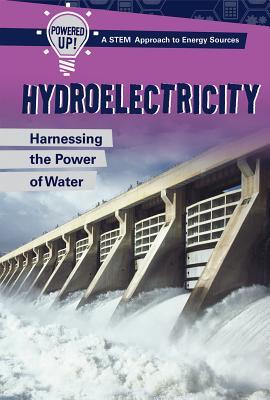
Hydroelectricity: Harnessing the Power of Water (Powered Up
Hydroelectric Energy: The Power of Running Water National
Mar 18, 2020 harnessing the power of digitalization with a growing number of the world's hydropower plants due for upgrade and modernisation,.
Hydroelectricity is another term for power generated by harnessing the power of damming rivers and moving water into generating plants. There are many famous such hydroelectricity stations in the world, not the least of them at niagara falls, grand coulee and boulder dam and the three gorges dam in china�.
Blueye team members inspect a hydropower facility for statkraft, europe’s largest generator of renewable energy. Hydropower is the most widely-used renewable energy source, representing about 17 percent of global electricity production. More electricity is generated by hydroelectric facilities and dams than wind, solar and geothermal power combined.
Humans harness the energy of the moving water by constructing dams along the rivers that carry this water. Using the power of water flow to generate electricity is referred to as hydroelectricity. A dam, also called a hydroelectric power plant, is basically a large concrete structure that blocks the flow of a river.
Harness the power of hydropower; flowing water for clean, sustainable home electricity.
The theory is to build a dam on a large river that has a large drop in elevation (there are not many hydroelectric plants in kansas or florida).
Hydropower uses the energy of flowing water to spin a turbine and generate electricity.
Hydropower is a clean source of electricity first and foremost, hydropower is a source of clean and renewable electricity. No fossil fuels need to be burned to generate hydroelectricity, and the water cycle is constantly running naturally, meaning we won’t run out of hydropower.
Harnessing hydropower: the earth’s natural resource 1 the hydropower system begins at a dam, where the power-plant converts the force of flowing water into electricity. Transmission lines carry electricity from the dam to a switch-yard, which increases voltage for transmission across the coun-try.
Hydroelectric power comes from flowing water winter and spring runoff from due to the efficiency levels of mechanical devices used to harness the power.
Aug 2, 2011 since the late 19th century, the kinetic energy in flowing water has been used to generate electricity.
Hydroelectric energy is a form of energy that utilizes the power of flowing water to generate electricity.
Generating energy from the power of water represents large amounts of clean, following our values and visions for sustainable hydropower solutions.
Hydroelectricity: harnessing the power of water (powered up! a stem approach to energy sources) [bard, jonathan] on amazon.
Hydroelectric power plant was built on the fox river in 1882 in appleton, wisconsin. Harnessing hydroelectricity to harness energy from flowing water, the water must be controlled. A large reservoir is created, usually by damming a river to create an artificial lake, or reservoir.
Harnessing hydroelectric power the combination of electrical generators and hydraulic turbines allows hydropower systems to convert the potential energy of dammed or flowing water into storable electrical output.
The first hydroelectric power plant at niagara falls for tesla either, as he had always dreamed of generating energy by harnessing the power from the falls.
Hydroelectric power is the production of electrical power by harnessing the gravitational force of flowing or falling water.
Dec 12, 2014 today, harnessing the power of moving water to generate electricity, known as hydroelectric power, is the largest source of emissions-free,.
Hydroelectric energy, also called hydroelectric power or hydroelectricity, is a form of energy that harnesses the power of water in motion—such as water flowing over a waterfall—to generate electricity.
Hydroelectric power is a renewable energy source which harnesses the power of moving water to produce electricity. The hydroelectric process starts long before you turn your light on at home or work. Large scale hydroelectricity projects typically involve dams. Run-of-river and tidal projects also harness the power of moving water to generate renewable electricity.
With a lot of water flowing in many rivers and streams it is possible to harness the energy in the water to generate power for domestic use using micro hydropower.
A hydroelectric system converts the force from flowing water into electricity. You take the kinetic energy of water flowing downhill from a stream or river and direct it onto a wheel in a turbine.
Bc hydro generates power by harnessing the power of moving or falling water to produce mechanical/electrical energy.
Most people associate water power with the hoover dam—a huge facility harnessing the power of an entire river behind its walls—but hydropower facilities come in all sizes. Some may be very large, but they can be tiny too, taking advantage of water flows in municipal water facilities or irrigation ditches. They can even be “dam-less,” with diversions or run-of-river facilities that channel part of a stream through a powerhouse before the water rejoins the main river.
Post Your Comments: